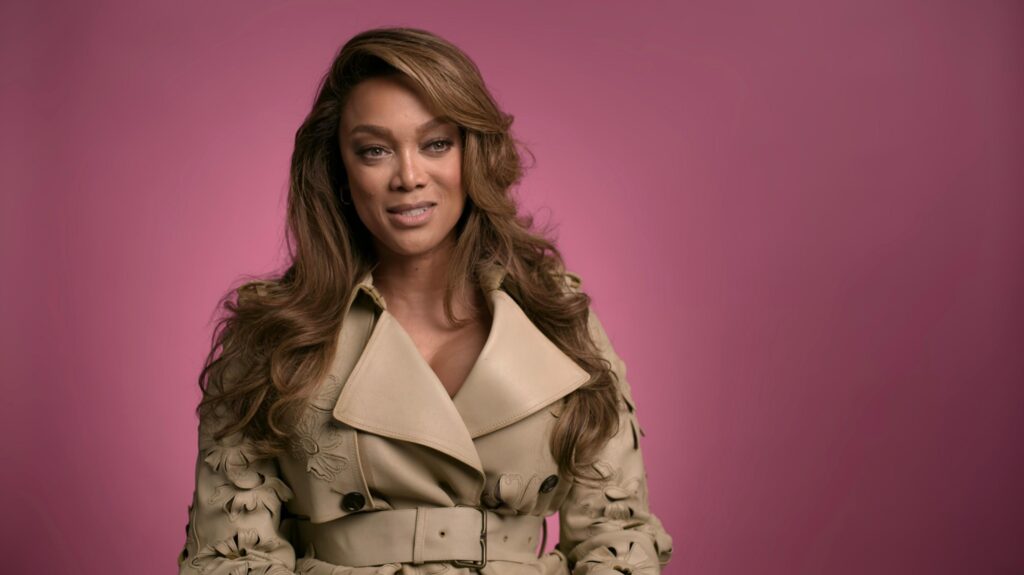
Like many of you, America’s Next Top Model (ANTM) was one of my guilty evening pleasures. Each week at 8 pm, my siblings and I would watch it together as kids and teens. Our eyes would be glued to the TV screen as we’d listen to Tyra Banks and her team tell us that they could take many of the young girls’ individual talents and turn them into the industry’s next top fashion models.
However, with the recent release of the three-part Netflix documentary called “Reality Check: Inside America’s Next Top Model,” the nostalgic memories of watching ANTM as children have been replaced with a far more tragic realization: as children, we were observing a master class in exploitation.
When viewed from the perspective of an adult in 2026, what used to appear to be a competitive high-stakes reality television program, America’s Next Top Model, now is seen to be a systematic destruction of the sense of worth of countless young women; due to “tough love” from a mentor that rarely was there to help or provide a supportive environment for the contestants.
The Milan Incident: Lack of Consent
One of the most troubling segments of the documentary explores the story of Shandi Sullivan, a contestant in Cycle 2. At the time, one of the most discussed moments of the season was the show’s narrative, which focused on her “cheating” on her boyfriend with a man she recently met in Milan.
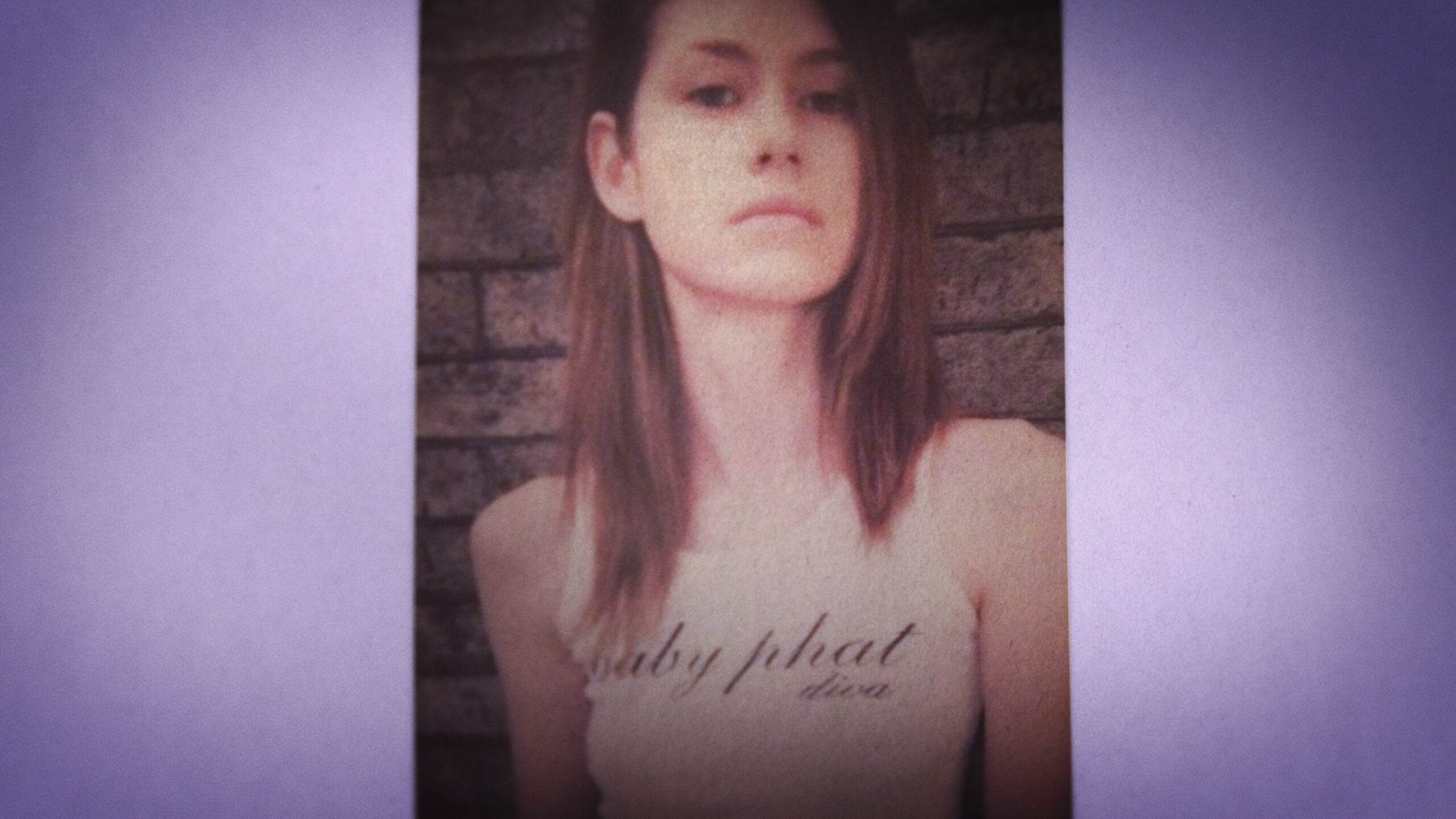
In 2026, the docuseries shows what happened to Shandi through the lens of modern ethics. Shandi reveals she blacked out, a state where legal consent would be impossible.
It is unsettling and deeply heartbreaking to watch footage of the producers documenting Sullivan’s distress and then editing the moment into a “cheating” storyline for the viewing audience. In the documentary, Sullivan now describes the incident as sexual assault, recalling that she blacked out during the night and remembers waking up to a man on top of her. This scene leaves many difficult questions regarding how reality television failed to protect the safety of its contestants in the early 2000s.
Tyra was not the only one who made these decisions; the executive producer, Ken Mok, and the rest of the production team were making the decision behind the scenes, whether or not to show footage that would depict Shandi’s infidelity storyline on television, rather than protect her safety and consent.
The “Professionalism” Trap
The docuseries also examined the South African photo shoot in Cycle 4. A male model was harassing Keenyah Hill throughout the photo shoot. As a grown woman, seeing the judges (Tyra and Nigel Barker among them) criticize Keenyah for being unprofessional when she stopped the photoshoot due to her discomfort at being sexually harassed on the set was unsettling.
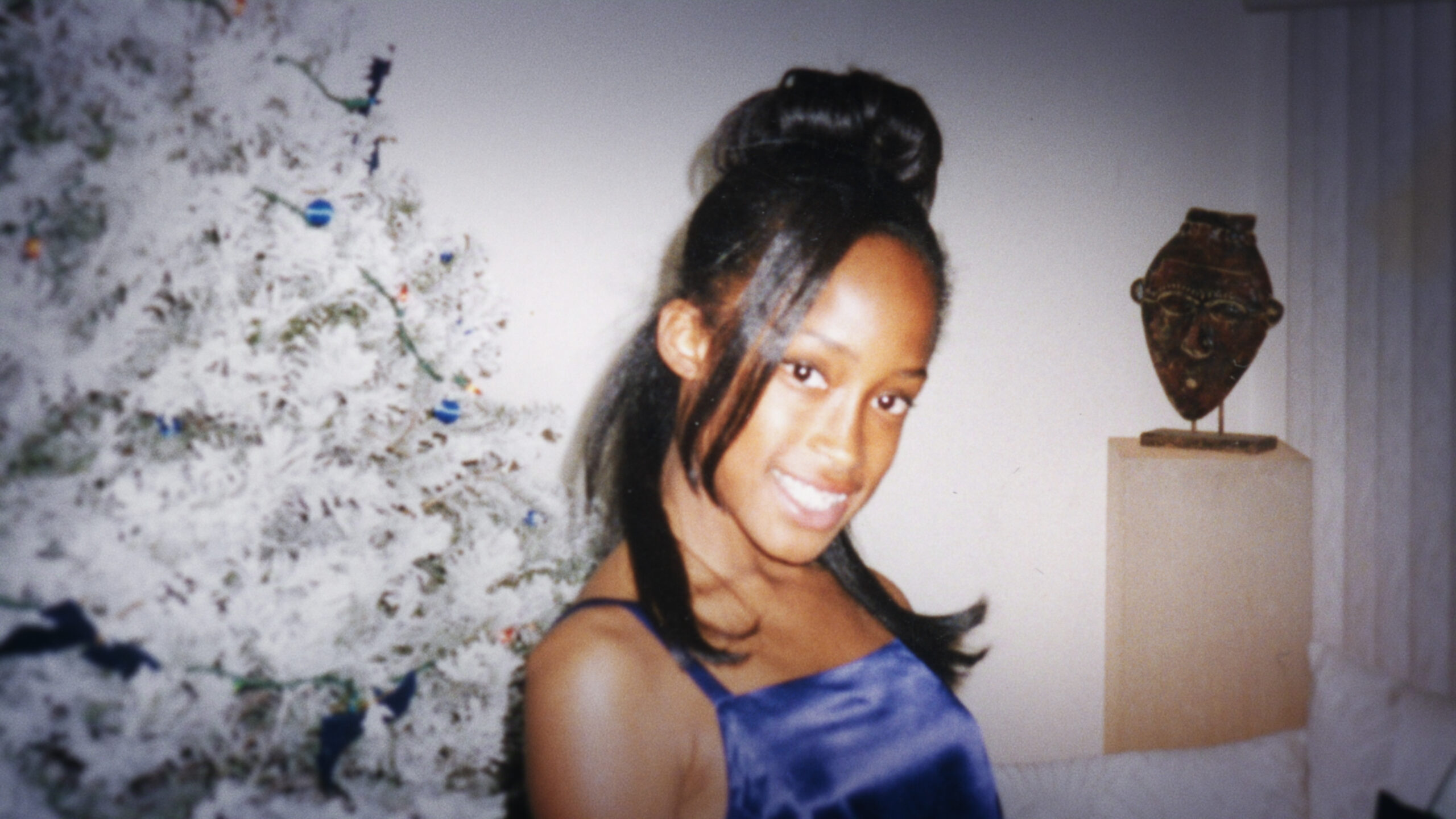
The judges’, photographers’, and the crew’s complete disregard for Keenyah’s complaints was absolutely disgusting. Through her experience, we saw how a common industry standard is used to teach young girls that the boundaries they have don’t matter as long as there is a client or a deadline. It was very sad to see Keenyah’s experience, especially since Tyra Banks has always proclaimed herself to be against this type of abuse. Watching Keenyah so publicly vulnerable during the judging process was truly heartbreaking.
Racism Renamed as “Art” and Commercial Value
The series does not sugarcoat the show’s problematic history with issues of racism. From the “Got Milk?” photo shoot to the “Hapa” photo shoot, where contestants’ ethnicities were switched, the documentary confirms our suspicions that these were not examples of artistic expression but rather instances of blackface and racial microaggressions that were repackaged for the 2000s.
We’ve seen this same type of repeated pattern of targeting black women. In Cycle 1, Ebony Haith was called “aggressive” and “angry” for the way she acted in an environment that didn’t support her. The hairstylist cutting her hair, making a mockery of her hair texture, was brutal to watch. The only thing I found amusing in that scene was that a group of “hairstylists” was unable to style or cut black textured hair. To me, they were the only jokes in that room. Ebony was truly ahead of her time, and the words the judges and crew used to describe her echo a long history of destructive stereotypes applied to black women.
One of the biggest displays of this humiliation came when Cycle 6 winner Dani Evans was told by Tyra that she wasn’t “marketable” due to the gap between her two front teeth. Banks made it clear to her that she needed to get the gap closed or else be eliminated from the competition. It seems particularly hypocritical given that the documentary points out that Tyra herself requested a white contestant, Chelsey Hersley of Cycle 15, to have her tooth gap widened at the dentist. At that time, Tyra seemed to believe a gap would now be “high fashion” and “marketable”. Which leaves one wondering if the show’s requested changes to the contestant was ever truly about fashion standards or if it was about the power, control, and manipulation of these young women’s bodies as the show saw fit.
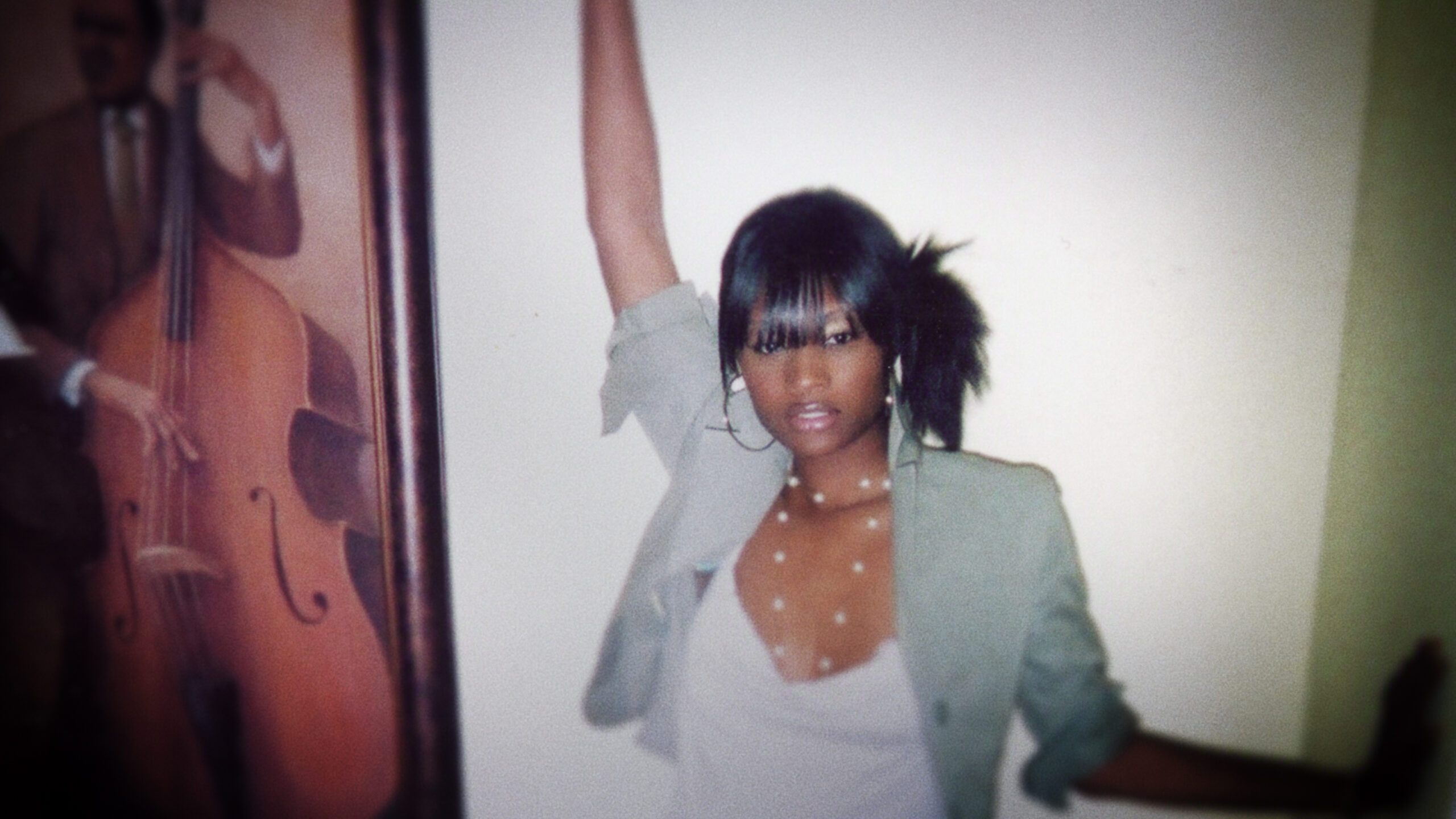
Contestants recall being told that their natural features were “impediments” and that the show did more to highlight the worst aspects of the industry rather than to improve them.
The Tyra Paradox: Mentor or Mirror?
Perhaps the most surprising aspect of the documentary is the portrayal of Tyra Banks. Although her brand has successfully created an image of Tyra as a caring and supportive “big sister,” the documentary presents a different and more disturbing image of Tyra.
Despite her own public accounts about the lack of support she received during her early days in modeling from people like Naomi Campbell, the documentary shows that Tyra often showed that same coldness.
An example of this is when Tiffany Richardson (Cycle 4) was humiliated by Tyra with her infamous “We were all rooting for you” rant, which went beyond a motivational tough love moment to a rather personal attack. Tyra even resorted to mentioning Tiffany’s family’s personal struggles.
@johnnguyen0786 During Cycle 4 (2005) of America’s Next Top Model, contestant Tiffany Richardson was eliminated. As she left, Tiffany appeared upbeat and joked around, which triggered a dramatic reaction from host and creator Tyra Banks. Tyra suddenly stopped the show, called Tiffany back into the judging room, and exploded in a now-legendary rant. #millennial #millennialsoftiktok #antm #nostalgia #tyrabanks
Apparently, not all of Tyra’s rant could make it to air, but according to the judges, it seems to have crossed major lines.
The documentary also portrays Tyra’s relationships with the “Power Trio” (Miss J, Jay Manuel, and Nigel Barker) as extremely strained due to their abrupt firing, and that loyalty in Tyra’s world seems to be a one-way street.
Can Cycle 25 Find Its Place in 2026?
In a move that has left the internet and yours truly stunned, the documentary ends with a shocking revelation: Tyra Banks is currently planning Cycle 25.
“I feel like my work is not done. You have no idea what we have planned for Cycle 25,” Tyra states in the final episode.
Although Tyra asserts that this new cycle will address past mistakes, many viewers (myself included) are skeptical about whether ANTM should return. Yes, it was a different time for television. However, throughout the documentary, the only ones who showed consistent remorse not coupled with excuses for their past actions were Jay Manuel, Miss Jay, and Nigel Barker.
ANTM did not provide many of the models with long-lasting careers as a result of their participation on the show; rather, it provided excellent TV ratings for the network at the expense of the young women on the show. Often leaving them with more trauma than professional longevity.
Will you be tuning into Cycle 25 of America’s Next Top Model?
The post The Ugly Truth: How Netflix’s Reality Check Has Damaged Our Nostalgia For America’s Next Top Model appeared first on Where Is The Buzz | Breaking News, Entertainment, Exclusive Interviews & More.