The absence of HBCU players from this year’s NFL Scouting Combine is a gut punch.
But it isn’t automatically a disaster for HBCU football or its pro prospects.
No HBCU invitees to Indianapolis feels like erasure, especially when the league still leans on HBCU alumni on active rosters every fall. Yet this year’s zero is better understood as a loud data point in a trend line, not a final judgment on whether HBCUs still produce NFL talent.
HBCU representation at the combine has been shrinking for years, dipping to one invitee in 2025 — Alabama A&M lineman Carson Vinson — and only three in 2024. The talent pipeline has not dried up; it has been re-routed by the transfer portal, NIL money, and the gravitational pull of Power Four programs that actively recruit HBCU standouts.
That context matters because a combine snub does not mean HBCU players have no pro path; it means the traditional, centralized path is serving them poorly, and other avenues are already opening.
After all, players from all non-FBS leagues historically have not been scouted or drafted in large numbers. In that sense, the outrage should focus less on the number “zero” and more on how the league and its partners redesign the evaluation process in response.
Alternative stages are getting stronger
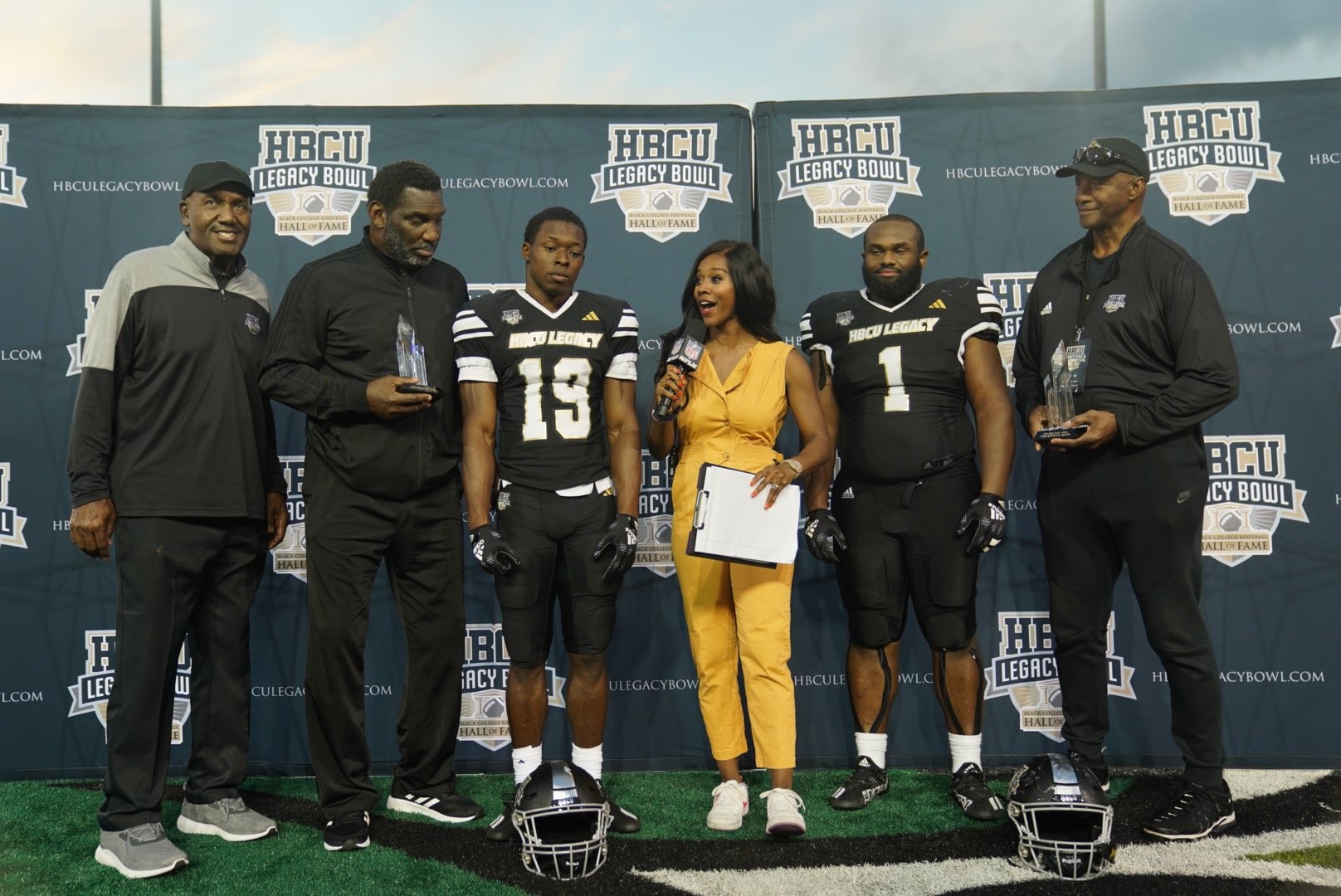
The combine has never been the only on‑ramp to the NFL, and for HBCU players, it increasingly is not even the primary one. Events built specifically around Black college football — the HBCU Combine, the HBCU Legacy Bowl, and related showcases — have grown into credible scouting hubs with all 32 clubs represented, full medicals, and NFL Network exposure.
Those platforms were created precisely because the main combine historically under‑served HBCU prospects; this year’s omission only reinforces their relevance, not their redundancy.
Former HBCU football players such as Xavier Smith used the platform to help springboard him onto an NFL roster with the Los Angeles Rams.
For current HBCU seniors, the lack of an Indy invite can function as a clarifying signal: your route is through all‑star weeks, HBCU‑centered showcases, and high‑traffic pro days, not a four‑day TV event designed for blue‑blood brands.
If there is a “good news” angle to a zero‑invite year, it is that it removes the NFL’s ability to hide behind tokenism. One or two HBCU names sprinkled onto the invite list can be framed as progress; none at all exposes how superficial the system remains for non‑Power programs.
That starkness has already prompted pointed criticism from HBCU advocates like agent Rasheeda Liberty, who called the situation “a reflection of systemic issues” in how teams scout beyond the major brands and demanded more in‑person visits, relationship‑building with HBCU staffs, and intentional investment in discovery.
Public pressure of this kind is often the catalyst for policy changes inside Park Avenue and personnel departments.
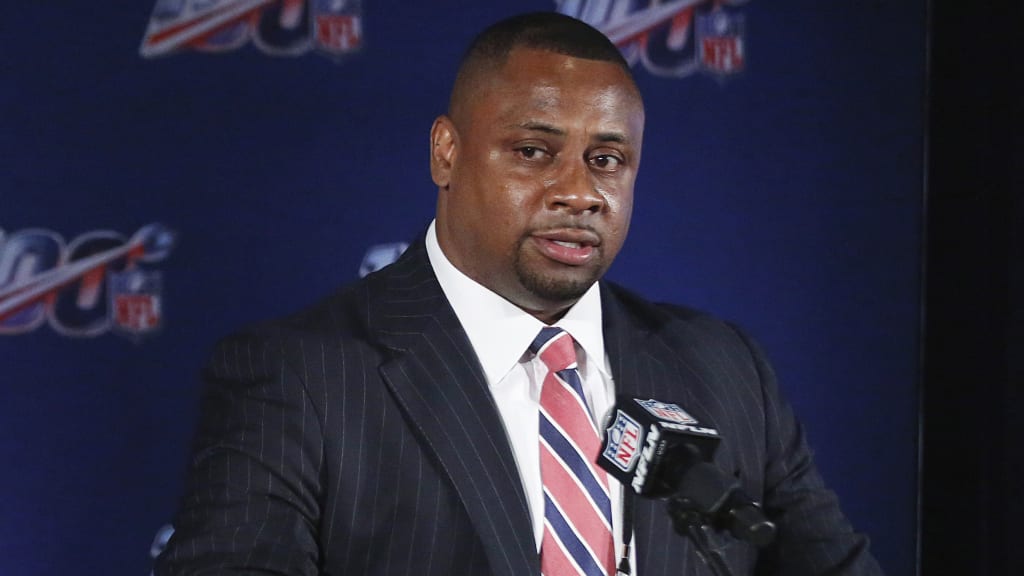
Troy Vincent, the NFL’s executive vice president of football operations, stated that the league “must accelerate our efforts for HBCU players to make the transition to the NFL” after no players were selected in the 2021 NFL Draft.
Led by Vincent and others, the league studied how NFL teams scouted HBCUs following the 2021 draft. What was found is that there were not enough eyes evaluating players.
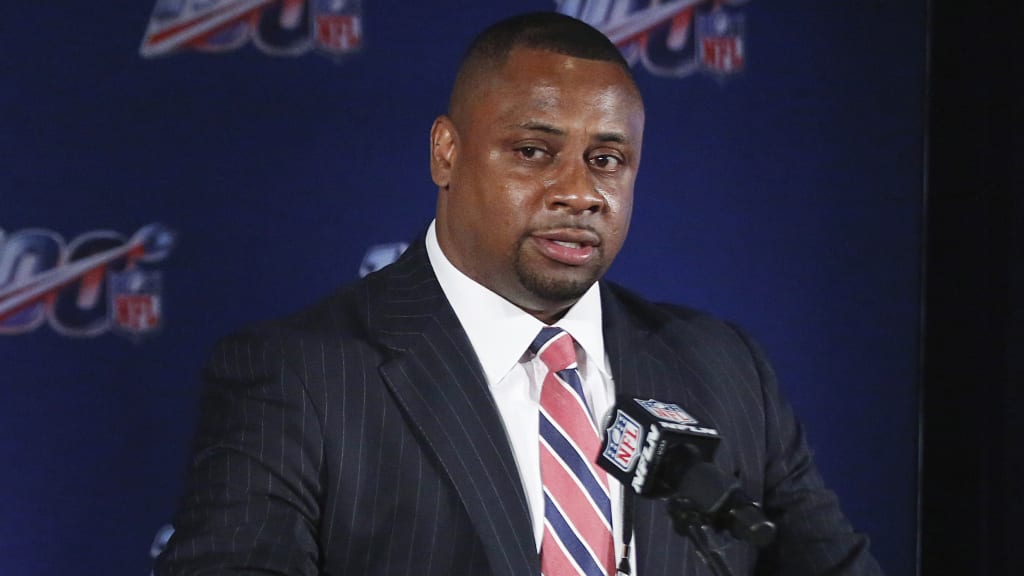
A league-backed scouting committee was instituted to help identify the top 150 draft-eligible HBCU players. The four longstanding Black college football conferences — CIAA, MEAC, SIAC, and SWAC — were added to the NFL video exchange program, which provides all 32 teams with a database of college game film.
The league has already endorsed an HBCU‑specific combine and partnered with the Senior Bowl on HBCU initiatives, acknowledging that the old evaluation model left too many players unseen.
A zero‑representation year sharpens that argument and gives HBCU coaches, agents, and administrators a simple rallying cry: if the centralized gate is effectively closed, then teams must expand their scouting footprint, not their excuses.
Reframing ‘disrespect’ as a pivot point
This moment also challenges HBCU programs to double down on their own platforms and storytelling.
The transfer portal has already shown that when HBCU players dominate, Power Four schools will come calling — and NFL scouts will happily evaluate those same athletes once they are wearing different logos.
If HBCU stakeholders can turn New Orleans into February (HBCU Legacy Bowl week) or select campus pro days into “can’t‑miss” stops on the scouting calendar, they gain something the combine will never provide — home‑field advantage over their own narrative.
None of this minimizes the sting of seeing zero HBCU names on a 319‑player list, or the very real systemic gap that Liberty and others are calling out.
It does, however, argue against viewing this year purely as a setback and instead as a pivot point: proof that waiting for incremental inclusion at the NFL Combine is a losing strategy. The league has already acknowledged that “the talent is there” and that exposure must be accelerated for HBCU prospects; the question now is whether stakeholders use this flash point to demand and design a better evaluation infrastructure.